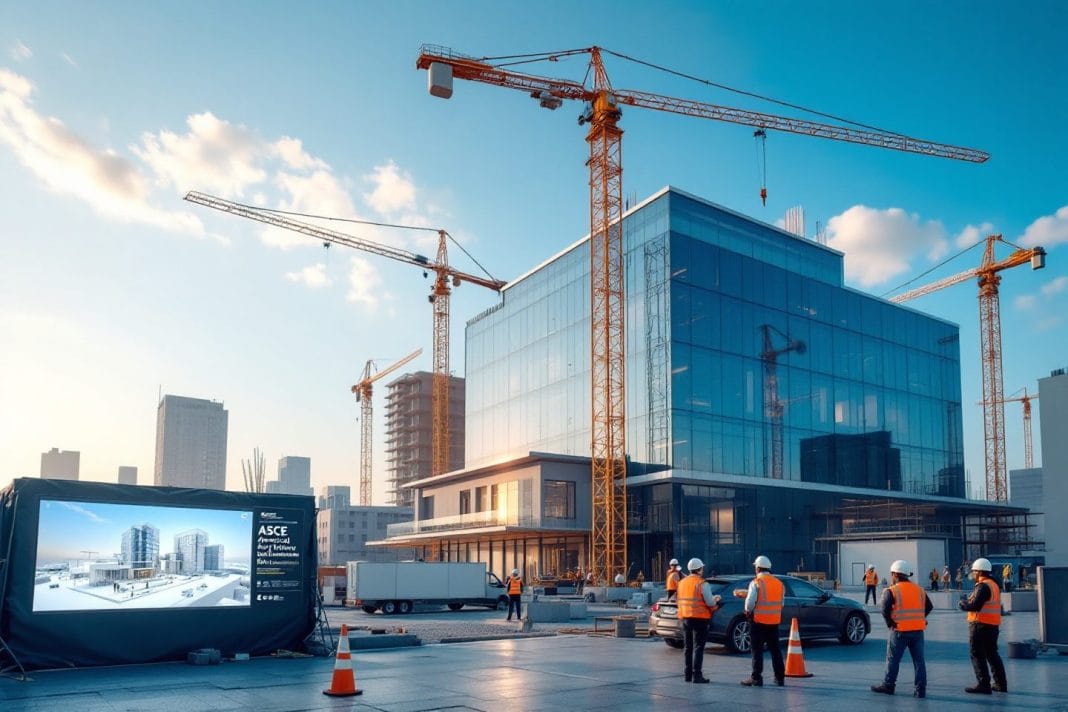

Building Information Modeling (BIM) has revolutionized the architecture, engineering, and construction (AEC) industry by providing a digital representation of physical and functional characteristics of places. As we navigate through the complexities of modern construction projects, BIM emerges as a pivotal tool that enhances efficiency, accuracy, and collaboration among stakeholders. By integrating various aspects of design, construction, and management into a single coherent model, BIM allows us to visualize and simulate the entire lifecycle of a project, from conception to demolition.
This article delves into the origins, evolution, and future potential of BIM, highlighting its significance in integrated project delivery and lifecycle management. As we explore the multifaceted nature of BIM, we will uncover how it has transformed traditional practices within the AEC sector. The ability to create detailed 3D models that incorporate not just geometry but also data related to materials, costs, and timelines has made BIM an indispensable asset for professionals at all levels.
Whether we are students aspiring to enter the field or seasoned managers overseeing complex projects, understanding BIM is crucial for navigating the future landscape of construction. ASCE is the American Society of Civil Engineers.
The origins and early development of BIM
The concept of Building Information Modeling can be traced back to the 1970s when early pioneers began experimenting with computer-aided design (CAD) systems. These initial efforts laid the groundwork for what would eventually evolve into BIM. In the 1980s, researchers like Charles Eastman began to articulate the idea of a digital model that could encapsulate not only the geometry of a building but also its functional attributes.
This marked a significant shift from traditional 2D drafting to a more holistic approach to building design. By the late 1990s, software developers began to recognize the potential of BIM as a collaborative tool. Companies like Autodesk and Graphisoft introduced software solutions that allowed architects and engineers to create intelligent 3D models.
These early versions of BIM software enabled users to visualize their designs in a more interactive manner, paving the way for enhanced communication among project stakeholders. As we reflect on this evolution, it becomes clear that the foundations laid during these formative years have significantly influenced how we approach construction projects today.
BIM’s role in integrated project delivery

Integrated Project Delivery (IPD) is a collaborative approach that aligns the interests of all stakeholders involved in a construction project. BIM plays a crucial role in facilitating this integration by providing a shared platform for communication and collaboration. With BIM, we can create a centralized model that serves as a single source of truth for all project participants, including architects, engineers, contractors, and owners.
This transparency fosters trust and encourages open dialogue, which is essential for successful project outcomes. Moreover, BIM enhances decision-making processes by allowing us to visualize potential challenges and solutions before they arise on-site. For instance, through clash detection capabilities, we can identify conflicts between different systems—such as plumbing and electrical—early in the design phase.
This proactive approach minimizes costly rework and delays during construction, ultimately leading to more efficient project delivery. As we embrace IPD principles alongside BIM technology, we are better equipped to navigate the complexities of modern construction projects.
The benefits of BIM in lifecycle management
One of the most significant advantages of BIM is its ability to support lifecycle management throughout a building’s existence. From initial design through construction and into operation and maintenance, BIM provides valuable insights that can enhance decision-making at every stage. By integrating data related to materials, energy consumption, and maintenance schedules into our models, we can make informed choices that optimize performance and sustainability.
For example, during the operational phase, facility managers can utilize BIM to access real-time information about building systems and components. This accessibility allows for more efficient maintenance planning and resource allocation, ultimately extending the lifespan of the building. Additionally, as we consider the growing emphasis on sustainability within the AEC industry, BIM enables us to analyze energy performance and identify opportunities for improvement.
By leveraging these capabilities, we can contribute to more sustainable practices that benefit both our clients and the environment.
The evolution of BIM technology and software
As technology continues to advance at an unprecedented pace, so too does the evolution of BIM software. In recent years, we have witnessed significant improvements in functionality and usability, making it easier for professionals across the AEC spectrum to adopt BIM practices. Cloud-based solutions have emerged as game-changers, allowing for real-time collaboration among geographically dispersed teams.
This shift has made it possible for us to work together seamlessly, regardless of location. Furthermore, advancements in artificial intelligence (AI) and machine learning are beginning to influence how we utilize BIM technology. These innovations enable us to automate repetitive tasks, analyze vast amounts of data quickly, and even predict project outcomes based on historical performance metrics.
As we embrace these technological advancements, we position ourselves at the forefront of an industry that is increasingly reliant on data-driven decision-making.
BIM’s impact on design and construction processes
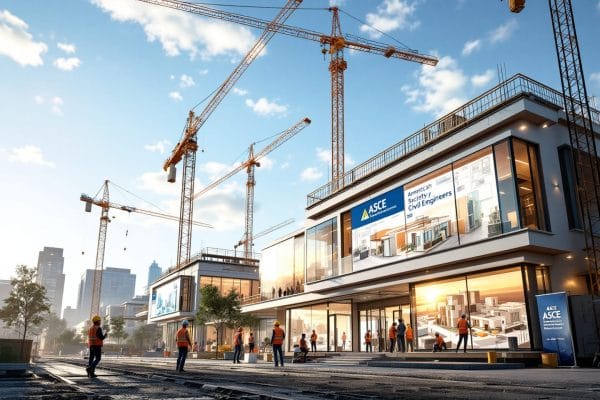
The impact of BIM on design and construction processes cannot be overstated. By providing a comprehensive digital model that encompasses all aspects of a project, BIM allows us to streamline workflows and enhance productivity. For instance, architects can collaborate more effectively with engineers by working within a shared model that reflects real-time changes.
This collaborative environment reduces misunderstandings and ensures that everyone is aligned with project goals. Additionally, BIM facilitates better visualization of design concepts through immersive technologies such as virtual reality (VR) and augmented reality (AR). These tools enable us to experience designs in a more interactive manner, allowing clients to provide feedback early in the process.
As a result, we can make necessary adjustments before construction begins, reducing the likelihood of costly changes later on.
BIM’s role in improving collaboration and communication among project stakeholders
Effective collaboration and communication are essential components of successful project delivery in the AEC industry. BIM serves as a catalyst for enhancing these elements by providing a centralized platform where all stakeholders can access up-to-date information about the project. This transparency fosters a culture of collaboration that encourages input from diverse perspectives.
Moreover, BIM’s visualization capabilities allow us to communicate complex ideas more clearly than traditional methods. For example, when presenting design concepts to clients or stakeholders, we can use 3D models to illustrate our vision effectively. This clarity not only helps build trust but also empowers clients to make informed decisions about their projects.
As we continue to leverage BIM for improved collaboration and communication, we create an environment where innovation can thrive.
The future of BIM and its potential for further integration in the construction industry
Looking ahead, the future of BIM appears promising as we explore new avenues for integration within the construction industry. As technology continues to evolve, we anticipate further advancements in interoperability between different software platforms. This will enable us to share data seamlessly across various tools and systems, enhancing our ability to collaborate effectively.
Additionally, as sustainability becomes an increasingly critical focus within the AEC sector, we expect BIM to play a central role in driving green building practices.
As we embrace these trends and innovations, we position ourselves as leaders in an industry that is constantly evolving.
Case studies of successful BIM implementation in integrated project delivery
To illustrate the transformative power of BIM in integrated project delivery (IPD), let’s examine some successful case studies that highlight its effectiveness. One notable example is the San Francisco International Airport’s Terminal 2 renovation project. By employing BIM throughout the design and construction phases, stakeholders were able to collaborate more effectively and address challenges proactively.
The result was a project completed ahead of schedule and under budget—demonstrating how BIM can drive efficiency in IPD environments. Another compelling case study is the Sydney Opera House’s recent renovation efforts. Utilizing BIM technology allowed project teams to visualize complex structural elements while ensuring compliance with heritage preservation requirements.
The collaborative nature of BIM facilitated communication among architects, engineers, and contractors—ultimately leading to successful project outcomes that respected both modern needs and historical significance.
The challenges and limitations of BIM in lifecycle management
Despite its many advantages, implementing BIM in lifecycle management does come with challenges and limitations that we must acknowledge. One significant hurdle is the initial investment required for software acquisition and training personnel on new technologies. For many organizations—especially smaller firms—this upfront cost can be daunting.
Additionally, while BIM offers enhanced data management capabilities, ensuring data accuracy remains a challenge throughout a project’s lifecycle. Inconsistent data entry or outdated information can lead to miscommunication among stakeholders and negatively impact decision-making processes. As we strive for effective lifecycle management through BIM practices, it is essential that we prioritize data integrity and invest in ongoing training for our teams.
the ongoing evolution and potential of BIM in the construction industry
In conclusion, Building Information Modeling represents a paradigm shift within the architecture, engineering, and construction industry—one that has fundamentally changed how we approach design, collaboration, and lifecycle management. As we have explored throughout this article, BIM offers numerous benefits that enhance efficiency while fostering innovation among project stakeholders. As we look toward the future, it is clear that BIM will continue to evolve alongside advancements in technology and changing industry demands.
By embracing this evolution and remaining committed to continuous improvement in our practices, we position ourselves as leaders within an ever-changing landscape. At AECup.com, we are dedicated to providing resources that empower professionals across all levels of experience to harness the full potential of BIM—ensuring that together we can shape a more efficient and sustainable future for our industry.
FAQs
What is Building Information Modeling (BIM)?
Building Information Modeling (BIM) is a digital representation of the physical and functional characteristics of a building. It is a collaborative process that allows multiple stakeholders to coordinate and share information throughout the project lifecycle.
How has BIM evolved over time?
BIM has evolved from 2D CAD drawings to 3D models, and now includes 4D (time) and 5D (cost) dimensions. It has also expanded to include the entire lifecycle of a building, from design and construction to operation and maintenance.
What is the role of BIM in Integrated Project Delivery (IPD)?
BIM plays a crucial role in Integrated Project Delivery by facilitating collaboration and communication among all project stakeholders, including architects, engineers, contractors, and owners. It allows for early involvement of all parties and helps to streamline the design and construction process.
How does BIM support lifecycle management of a building?
BIM supports lifecycle management by providing a comprehensive digital model of the building that can be used for facility management, maintenance, and renovations. It allows for the integration of building data with other systems, such as energy management and asset tracking.
What are the benefits of using BIM in construction projects?
Some of the benefits of using BIM in construction projects include improved coordination and communication, reduced errors and rework, better visualization of the project, and the ability to analyze and simulate different design options. BIM also helps to improve the efficiency and sustainability of buildings.