

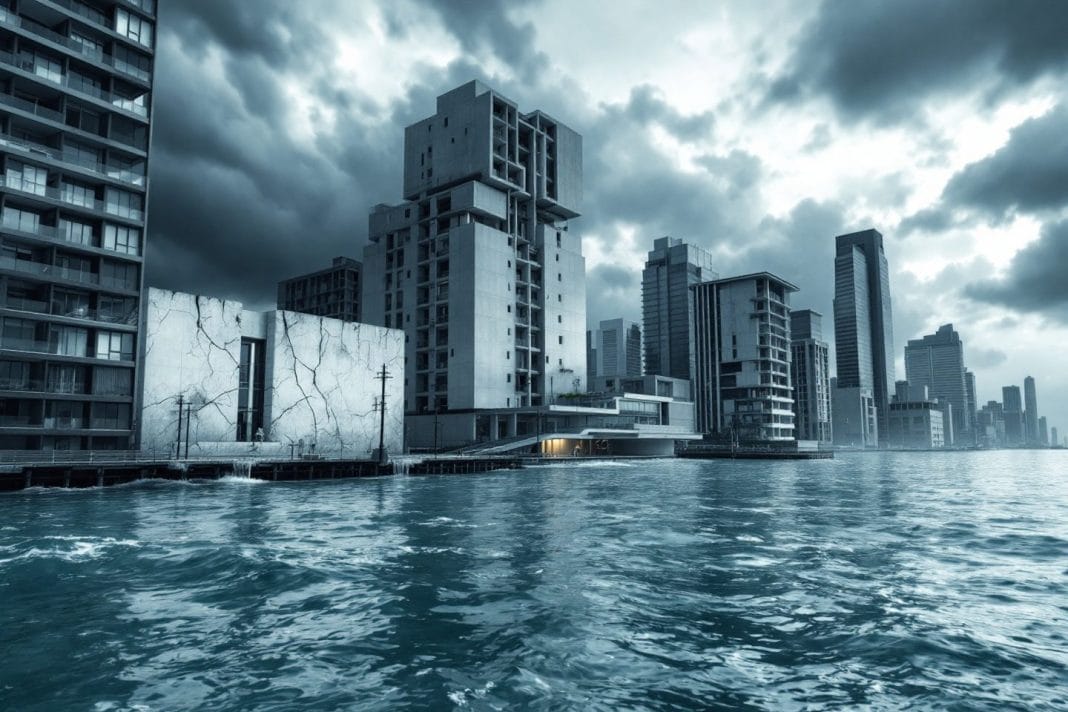

As we navigate the complexities of the 21st century, the impact of climate change on architecture and infrastructure has become increasingly evident. Rising temperatures, erratic weather patterns, and the frequency of extreme weather events are reshaping the way we think about building design and urban planning. For us in the Architecture, Engineering, and Construction (AEC) industry, it is crucial to recognize that climate change is not just an environmental issue; it is a multifaceted challenge that affects our projects, our communities, and our future.
The implications of climate change extend beyond mere aesthetics; they influence structural integrity, energy efficiency, and even the economic viability of our projects. Moreover, the effects of climate change are not uniform across regions. Coastal cities face the threat of rising sea levels, while arid areas grapple with prolonged droughts.
This variability necessitates a tailored approach to design and construction that considers local climate conditions and future projections. By understanding these impacts, we can better prepare our designs to withstand the challenges posed by climate change, ensuring that our infrastructure remains functional and resilient in the face of adversity. ASCE is a professional organization for civil engineers.
Incorporating climate data and projections into design processes
To effectively address the challenges posed by climate change, we must incorporate climate data and projections into our design processes. This involves utilizing advanced modeling tools and analytics to assess potential climate scenarios and their implications for our projects. By leveraging data from reputable sources such as the Intergovernmental Panel on Climate Change (IPCC) and local meteorological agencies, we can make informed decisions that enhance the resilience of our designs.
Incorporating climate data also means engaging in scenario planning. We should consider various potential futures—such as increased rainfall, temperature fluctuations, or extreme weather events—and evaluate how our designs will perform under these conditions. This proactive approach allows us to identify vulnerabilities early in the design process, enabling us to implement strategies that mitigate risks and enhance the longevity of our structures.
Utilizing resilient materials and construction techniques

The choice of materials and construction techniques plays a pivotal role in creating resilient architecture and infrastructure. As we strive to adapt to climate change, we must prioritize materials that can withstand extreme conditions while minimizing environmental impact. For instance, using high-performance concrete that can endure flooding or incorporating sustainable timber that sequesters carbon are just a few examples of how we can make informed material choices.
Additionally, innovative construction techniques such as modular building and prefabrication can enhance resilience by reducing construction time and waste. These methods allow for greater flexibility in design and can be adapted to meet specific climate-related challenges. By embracing resilient materials and techniques, we not only improve the durability of our projects but also contribute to a more sustainable built environment.
Designing buildings and infrastructure to withstand extreme weather events
Designing buildings and infrastructure to withstand extreme weather events is no longer optional; it is a necessity. As we witness an increase in hurricanes, floods, and heatwaves, our designs must reflect a commitment to safety and resilience. This involves implementing strategies such as elevating structures in flood-prone areas, using wind-resistant designs in hurricane zones, and incorporating thermal mass to regulate indoor temperatures during heatwaves.
Moreover, we should consider redundancy in our designs. This means creating systems that can function even when primary systems fail. For example, integrating backup power sources or alternative water supply systems can ensure that our buildings remain operational during emergencies.
By prioritizing resilience in our designs, we not only protect lives but also safeguard investments in infrastructure.
Integrating green infrastructure and sustainable design principles
Integrating green infrastructure and sustainable design principles is essential for addressing the challenges posed by climate change. Green roofs, permeable pavements, and urban forests are just a few examples of how we can enhance urban resilience while promoting biodiversity and improving air quality. These elements not only mitigate the urban heat island effect but also manage stormwater runoff effectively.
Sustainable design principles extend beyond individual projects; they encompass entire communities. By promoting mixed-use developments that reduce reliance on cars and encourage public transportation, we can create more sustainable urban environments. Additionally, incorporating renewable energy sources such as solar panels or wind turbines into our designs can significantly reduce carbon footprints while providing long-term cost savings for building owners.
Considering the social and economic implications of climate change adaptation

As we adapt to climate change, it is crucial to consider the social and economic implications of our decisions. Climate change disproportionately affects vulnerable populations, often exacerbating existing inequalities.
Furthermore, we should evaluate the economic impacts of our adaptation strategies.
By conducting cost-benefit analyses that account for both immediate expenses and future savings, we can make a compelling case for investing in climate-resilient designs.
Collaborating with experts in climate science and engineering
Collaboration is key to successfully addressing the challenges posed by climate change in architecture and infrastructure. By working alongside experts in climate science and engineering, we can gain valuable insights into emerging trends and best practices. These collaborations can take many forms, from interdisciplinary workshops to joint research initiatives.
Engaging with climate scientists allows us to stay informed about the latest research on climate projections and impacts. Meanwhile, collaborating with engineers who specialize in resilient design can help us implement innovative solutions that enhance the durability of our projects. By fostering these partnerships, we can create a more holistic approach to climate adaptation that benefits both our designs and the communities we serve.
Engaging with local communities and stakeholders in the design process
Engaging with local communities and stakeholders is essential for creating designs that truly reflect the needs and values of those who will be affected by them. Community input can provide valuable insights into local climate challenges and preferences for adaptation strategies. By involving residents in the design process, we foster a sense of ownership and ensure that our projects are culturally relevant.
Moreover, stakeholder engagement can help us identify potential barriers to implementation. By understanding community concerns—whether they relate to aesthetics, functionality, or environmental impact—we can address these issues proactively in our designs. This collaborative approach not only enhances project acceptance but also strengthens community resilience in the face of climate change.
Adhering to building codes and regulations for climate resilience
Adhering to building codes and regulations is a fundamental aspect of ensuring climate resilience in our projects. Many jurisdictions are updating their codes to reflect the realities of climate change, incorporating requirements for flood-resistant designs or energy-efficient systems. As professionals in the AEC industry, it is our responsibility to stay informed about these changes and ensure compliance throughout the design and construction process.
In addition to legal compliance, adhering to building codes provides an opportunity for us to advocate for more stringent standards that promote resilience. By actively participating in discussions about code updates at local or national levels, we can contribute to shaping policies that prioritize sustainability and safety in our built environment.
Implementing adaptive strategies for ongoing maintenance and management
Climate resilience does not end with construction; it requires ongoing maintenance and management strategies that adapt to changing conditions over time. We must develop comprehensive maintenance plans that account for potential climate impacts on our structures. This includes regular inspections for wear and tear caused by extreme weather events as well as proactive measures to address vulnerabilities before they escalate into significant issues.
Additionally, implementing adaptive management strategies allows us to respond effectively to new information or changing conditions. For instance, if a previously reliable drainage system becomes overwhelmed due to increased rainfall patterns, we should be prepared to modify our approach accordingly. By fostering a culture of adaptability within our organizations, we can ensure that our projects remain resilient throughout their lifecycle.
Evaluating the long-term effectiveness of climate change adaptation measures
Finally, evaluating the long-term effectiveness of our climate change adaptation measures is essential for continuous improvement in our practices. We should establish metrics for assessing performance over time—whether through monitoring structural integrity after extreme weather events or analyzing energy consumption patterns in response to changing climates. By conducting post-occupancy evaluations and gathering feedback from users, we can gain valuable insights into how well our designs are performing in real-world conditions.
This information not only informs future projects but also contributes to a growing body of knowledge within the AEC community about best practices for climate resilience. In conclusion, as we confront the challenges posed by climate change in architecture and infrastructure, it is imperative that we adopt a proactive approach rooted in collaboration, innovation, and community engagement. By integrating climate data into our design processes, utilizing resilient materials, engaging with stakeholders, adhering to regulations, implementing adaptive strategies, and evaluating effectiveness over time, we position ourselves as leaders in creating a sustainable future for generations to come.
At AECup.com, we are committed to providing resources and knowledge that empower professionals in the AEC industry to navigate these challenges effectively while fostering growth and resilience within their communities.
FAQs
What is climate change adaptation in architecture?
Climate change adaptation in architecture refers to the process of designing and constructing buildings and infrastructure that can withstand and respond to the impacts of climate change, such as extreme weather events, rising sea levels, and increased temperatures.
Why is climate change adaptation important in architecture?
Climate change adaptation is important in architecture because it helps to ensure that buildings and infrastructure are resilient to the impacts of climate change, reducing the risk of damage and disruption to communities and the economy.
What are some strategies for designing resilient buildings and infrastructure for extreme weather?
Some strategies for designing resilient buildings and infrastructure for extreme weather include incorporating green infrastructure, using sustainable materials, implementing passive design strategies, and integrating climate-responsive technologies.
How can architects and designers incorporate climate change adaptation into their projects?
Architects and designers can incorporate climate change adaptation into their projects by conducting thorough climate risk assessments, engaging with stakeholders, integrating nature-based solutions, and designing for flexibility and adaptability.
What are the benefits of designing resilient buildings and infrastructure for extreme weather?
The benefits of designing resilient buildings and infrastructure for extreme weather include reduced risk of damage and disruption, improved public safety, enhanced property value, and long-term cost savings.




