

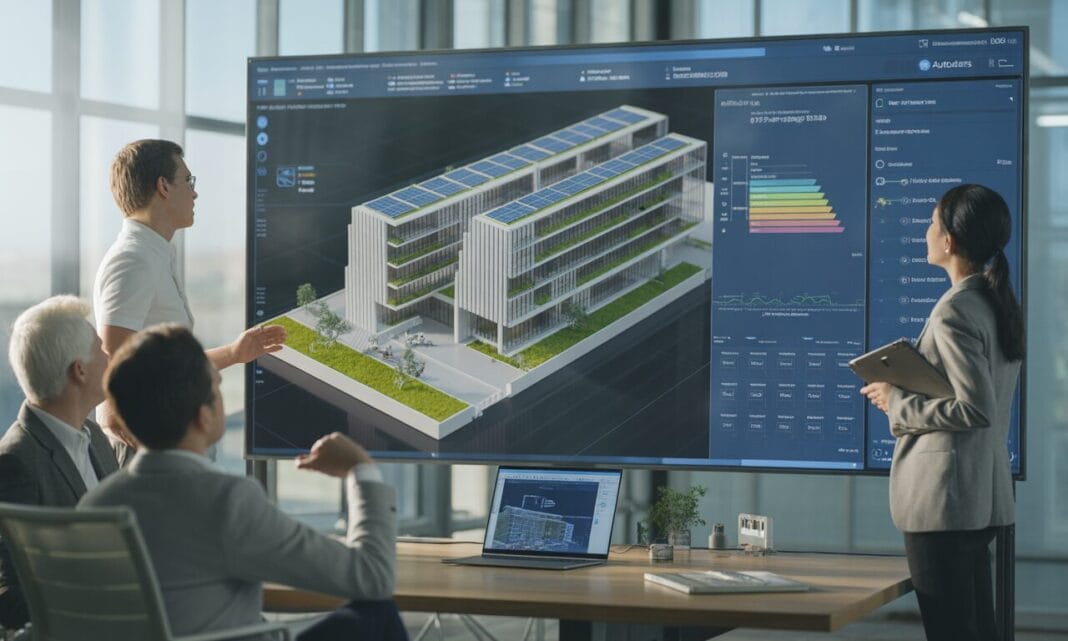

In the ever-evolving landscape of architecture, engineering, and construction (AEC), the integration of technology has become paramount. One of the most significant advancements in this realm is the development of Building Performance Simulation (BPS) tools. These sophisticated software applications allow us to model and analyze the energy performance of buildings before they are constructed.
By simulating various design scenarios, we can predict how a building will perform in terms of energy efficiency, thermal comfort, and overall sustainability. This proactive approach not only aids in making informed design decisions but also aligns with our growing commitment to environmental stewardship. As we delve deeper into the world of BPS tools, it becomes clear that they are not merely a luxury but a necessity in today’s design process.
With increasing regulations surrounding energy efficiency and sustainability, architects and engineers must leverage these tools to ensure compliance and optimize building performance. The ability to visualize energy use patterns and identify potential issues before construction begins can save time, resources, and costs. In this article, we will explore the importance of predicting energy use in sustainable design, the various types of simulation tools available, and the benefits they offer in optimizing our designs for a more sustainable future. For innovative design solutions, visit Autodesk.
Importance of Predicting Energy Use in Sustainable Design
Predicting energy use is a cornerstone of sustainable design. As we strive to create buildings that minimize their environmental impact, understanding how energy flows within a structure is crucial. By accurately forecasting energy consumption, we can make informed decisions that lead to reduced operational costs and lower carbon footprints.
This predictive capability allows us to assess the effectiveness of different design strategies, materials, and systems in achieving our sustainability goals. Moreover, predicting energy use is essential for meeting regulatory requirements and client expectations. Many jurisdictions now mandate energy modeling as part of the design process, making it imperative for us to adopt these practices.
By utilizing BPS tools, we can demonstrate compliance with energy codes and standards while also providing clients with tangible evidence of our commitment to sustainability. This not only enhances our credibility as professionals but also positions us as leaders in the AEC industry.
Types of Building Performance Simulation Tools
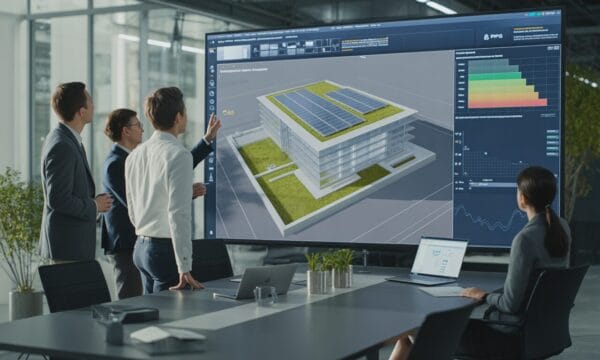
The landscape of building performance simulation tools is diverse, offering a range of options tailored to different aspects of building design and analysis. Among the most commonly used tools are energy modeling software, thermal simulation programs, and daylighting analysis applications. Each type serves a unique purpose and can be employed at various stages of the design process.
Energy modeling software, such as EnergyPlus or eQUEST, allows us to simulate a building’s energy consumption based on various inputs, including climate data, building geometry, and HVAC systems. These tools provide insights into how different design choices impact energy use, enabling us to optimize our designs for efficiency. On the other hand, thermal simulation programs like TRNSYS focus on analyzing heat transfer within buildings, helping us understand thermal comfort levels and identify potential overheating issues.
Daylighting analysis tools, such as Radiance or DIVA, enable us to assess natural light penetration within a space. By simulating daylighting conditions, we can optimize window placements and shading devices to enhance occupant comfort while reducing reliance on artificial lighting. Together, these tools form a comprehensive suite that empowers us to create high-performing buildings that meet both aesthetic and functional requirements.
Benefits of Using Simulation Tools for Sustainable Design Optimization
The benefits of utilizing building performance simulation tools for sustainable design optimization are manifold. First and foremost, these tools enable us to make data-driven decisions that enhance energy efficiency. By simulating various design scenarios, we can identify the most effective strategies for reducing energy consumption while maintaining occupant comfort.
Additionally, BPS tools facilitate collaboration among project stakeholders. By providing a visual representation of energy performance metrics, we can engage clients, architects, engineers, and contractors in meaningful discussions about design choices.
This collaborative approach fosters a shared understanding of sustainability goals and encourages innovative solutions that may not have been considered otherwise. Furthermore, using simulation tools can lead to significant cost savings over the life cycle of a building. By optimizing energy use during the design phase, we can reduce operational costs associated with heating, cooling, and lighting.
This not only benefits our clients but also contributes to the long-term viability of our projects in an increasingly competitive market.
Factors Affecting Energy Use in Buildings
Understanding the factors that influence energy use in buildings is essential for effective simulation and optimization. Several variables come into play when assessing a building’s energy performance, including its orientation, envelope design, HVAC systems, and occupancy patterns. Each of these elements interacts with one another, creating a complex web of influences that must be carefully considered.
For instance, the orientation of a building can significantly impact its solar gain and shading characteristics. A well-oriented structure can harness natural light while minimizing heat loss during colder months. Similarly, the choice of materials used in the building envelope plays a crucial role in thermal performance.
High-performance insulation and glazing can reduce energy demand by maintaining comfortable indoor temperatures. Moreover, HVAC systems are pivotal in determining a building’s energy consumption. The efficiency of heating and cooling equipment directly affects operational costs and occupant comfort levels.
Finally, understanding occupancy patterns is vital for accurately predicting energy use. Different usage scenarios can lead to varying energy demands; thus, incorporating realistic occupancy data into our simulations is crucial for achieving accurate results.
Key Parameters to Consider in Energy Use Prediction
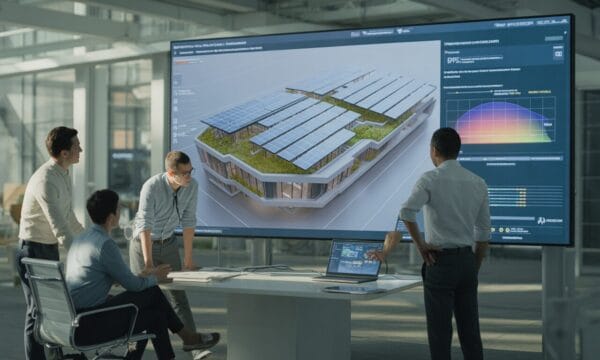
When predicting energy use through simulation tools, several key parameters must be taken into account to ensure accuracy and reliability. These parameters include climate data, building geometry, material properties, system efficiencies, and operational schedules. Each parameter contributes to the overall energy model and influences the final predictions.
Climate data is perhaps one of the most critical factors in energy modeling. Local weather conditions—such as temperature ranges, humidity levels, and solar radiation—must be accurately represented to simulate how a building will perform throughout different seasons. Building geometry also plays a significant role; factors such as floor area, volume, and aspect ratio can affect heat transfer rates and daylighting potential.
Material properties are equally important when assessing energy performance. The thermal conductivity of walls, roofs, and windows directly impacts heat loss or gain within a building. Additionally, system efficiencies—such as those related to HVAC equipment—must be accurately modeled to reflect real-world performance accurately.
Finally, operational schedules detailing when spaces are occupied or unoccupied help us understand how energy use fluctuates throughout the day.
Case Studies of Successful Sustainable Design Optimization Using Simulation Tools
To illustrate the effectiveness of building performance simulation tools in achieving sustainable design optimization, let’s explore some notable case studies from our industry. One exemplary project is the Bullitt Center in Seattle, Washington—a pioneering example of a net-zero energy building. The design team utilized advanced simulation tools to analyze energy use patterns and optimize daylighting strategies throughout the structure.
By employing BPS tools early in the design process, the team was able to identify optimal window placements that maximized natural light while minimizing glare and heat gain. This resulted in reduced reliance on artificial lighting and lower overall energy consumption. The Bullitt Center has since become a benchmark for sustainable design practices worldwide.
Another compelling case study is the Bosco Verticale (Vertical Forest) in Milan, Italy—a residential complex designed with sustainability at its core. The architects used simulation tools to assess how vegetation would impact energy performance by providing natural insulation and reducing heat island effects. The integration of greenery not only enhanced aesthetic appeal but also contributed significantly to the building’s overall energy efficiency.
These case studies exemplify how leveraging simulation tools can lead to innovative solutions that push the boundaries of sustainable design while achieving measurable results.
Challenges and Limitations of Building Performance Simulation Tools
Despite their numerous advantages, building performance simulation tools are not without challenges and limitations. One significant hurdle is the complexity involved in accurately modeling real-world conditions. While these tools provide valuable insights into potential energy performance outcomes, they rely heavily on accurate input data—any discrepancies can lead to misleading results.
Additionally, there is often a steep learning curve associated with using advanced simulation software effectively. For many professionals in the AEC industry—especially those new to BPS—navigating these tools can be daunting without proper training or experience. This can result in underutilization or misinterpretation of simulation results.
Moreover, while BPS tools are powerful for predicting energy use during the design phase, they may not account for all variables that influence actual performance once a building is occupied. Factors such as occupant behavior or unforeseen maintenance issues can significantly impact energy consumption but may not be fully captured during simulations.
Integration of Building Performance Simulation Tools with Building Information Modeling (BIM)
The integration of building performance simulation tools with Building Information Modeling (BIM) represents a significant advancement in our ability to optimize sustainable design practices. BIM provides a comprehensive digital representation of a building’s physical and functional characteristics—allowing us to visualize complex relationships between various components. By incorporating BPS tools into BIM workflows, we can enhance our understanding of how design decisions impact energy performance throughout the entire lifecycle of a project.
This integration enables real-time analysis during the design process—allowing us to make informed adjustments based on simulation results without disrupting overall project timelines. Furthermore, this synergy fosters collaboration among project stakeholders by providing a shared platform for visualizing data-driven insights related to energy use predictions. As we work together towards common sustainability goals, this collaborative approach enhances communication and encourages innovative solutions that benefit all parties involved.
Future Trends in Building Performance Simulation Tools for Sustainable Design Optimization
As technology continues to advance at an unprecedented pace, we can expect exciting developments in building performance simulation tools for sustainable design optimization. One emerging trend is the incorporation of artificial intelligence (AI) and machine learning algorithms into simulation processes. These technologies have the potential to analyze vast amounts of data quickly—identifying patterns that may not be immediately apparent through traditional methods.
Additionally, cloud-based platforms are becoming increasingly popular for hosting BPS tools—allowing for greater accessibility and collaboration among project teams regardless of geographic location. This shift towards cloud computing enables real-time updates and seamless integration with other software applications used throughout the design process. Moreover, as sustainability becomes an even more pressing concern globally, we anticipate an increased focus on life cycle assessment (LCA) capabilities within BPS tools.
By evaluating not only operational energy use but also embodied carbon emissions associated with materials and construction processes, we can gain a holistic understanding of a building’s environmental impact from inception through its entire lifecycle.
The Role of Predictive Energy Use in Achieving Sustainable Design Goals
In conclusion, predictive energy use plays an integral role in achieving our sustainable design goals within the architecture, engineering, and construction industry.
As we continue to embrace technological advancements such as AI integration and cloud-based platforms within BPS workflows alongside BIM methodologies—we position ourselves at the forefront of innovation within AEC practices focused on sustainability.
Ultimately, by prioritizing predictive energy use through robust simulations—we empower ourselves as professionals committed not only to meeting regulatory requirements but also driving meaningful change towards more sustainable built environments for future generations.
FAQs
What are building performance simulation tools?
Building performance simulation tools are software applications used to model and analyze the energy consumption, thermal comfort, lighting, and overall environmental performance of buildings. They help architects and engineers predict how a building will perform under various conditions.
How do these tools contribute to sustainable design?
These tools enable designers to evaluate different design options and optimize building systems to reduce energy use, minimize environmental impact, and improve occupant comfort. By simulating energy performance early in the design process, they support informed decisions that promote sustainability.
What types of energy use can be predicted with these simulation tools?
Building performance simulation tools can predict various types of energy use, including heating, cooling, ventilation, lighting, and plug loads. They can also assess renewable energy integration and the impact of building envelope characteristics on energy consumption.
Are these tools suitable for all building types?
Yes, building performance simulation tools can be applied to a wide range of building types, including residential, commercial, institutional, and industrial buildings. The level of detail and complexity may vary depending on the project requirements.
What are some common features of building performance simulation tools?
Common features include thermal modeling, daylight analysis, HVAC system simulation, energy consumption forecasting, cost analysis, and compliance checking with energy codes and standards.
Do these tools require specialized knowledge to use?
While some basic tools are user-friendly, many building performance simulation tools require specialized knowledge in building science, energy systems, and software operation to produce accurate and meaningful results.
Can these tools help in meeting green building certifications?
Yes, simulation tools are often used to demonstrate compliance with green building standards such as LEED, BREEAM, and WELL by providing documented evidence of energy performance and sustainability measures.
How accurate are the predictions made by building performance simulation tools?
The accuracy depends on the quality of input data, the complexity of the model, and the assumptions made. When used correctly, these tools can provide reliable estimates that guide design decisions, though actual performance may vary due to operational factors.
Are building performance simulation tools integrated with other design software?
Many simulation tools can integrate with CAD and BIM software, allowing seamless data exchange and enabling designers to incorporate performance analysis directly into the design workflow.
What is the role of optimization in building performance simulation?
Optimization involves using simulation tools to explore multiple design scenarios and identify the best combination of building features and systems that minimize energy use while meeting performance goals and constraints.




