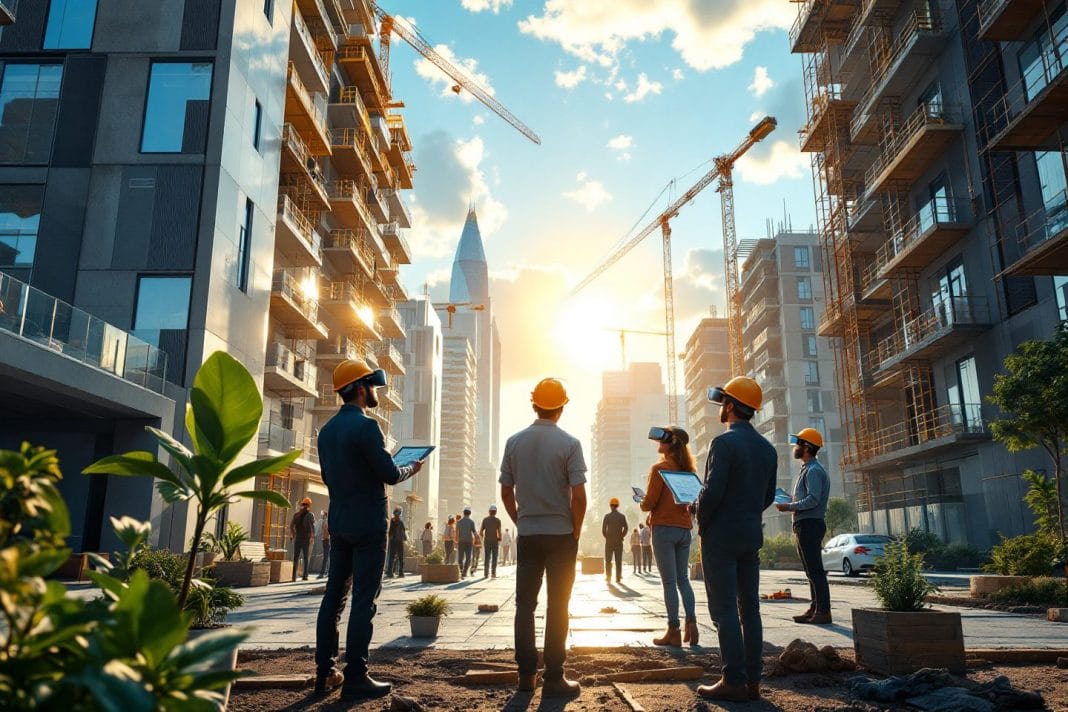
The concept of a smart city is rapidly evolving, driven by the need for urban areas to become more efficient, sustainable, and livable. At its core, a smart city integrates technology and data to enhance the quality of life for its residents while optimizing resource management. This involves the use of sensors, IoT devices, and advanced analytics to monitor and manage everything from traffic flow to energy consumption.
As we delve deeper into this concept, it becomes clear that smart cities are not just about technology; they are about creating a holistic urban ecosystem that fosters innovation and collaboration. In our exploration of smart cities, we must recognize that they are designed to address the challenges faced by urban populations.
By leveraging technology, smart cities aim to create solutions that not only improve operational efficiency but also enhance the overall experience for citizens. This shift towards smarter urban environments presents a unique opportunity for professionals in the Architecture, Engineering, and Construction (AEC) sectors to contribute to transformative projects that shape the future of urban living.
Key Takeaways
- Smart cities aim to use technology and data to improve quality of life, sustainability, and economic growth for citizens.
- Trillion-dollar opportunities exist in areas such as infrastructure, transportation, energy, and healthcare within smart cities.
- Technology like IoT, AI, and blockchain can be leveraged to create smart city solutions for efficient resource management and improved citizen services.
- Data and analytics play a crucial role in smart city development, providing insights for better decision-making and resource allocation.
- Sustainable and resilient infrastructure is essential for smart cities to withstand environmental and social challenges while supporting economic growth.
Identifying the Trillion-Dollar Opportunities
The transition to smart cities represents a monumental economic opportunity, estimated to be worth trillions of dollars globally. As we identify these opportunities, we must consider various sectors that stand to benefit significantly from smart city initiatives. For instance, investments in smart infrastructure—such as intelligent transportation systems, energy-efficient buildings, and advanced waste management—are projected to yield substantial returns.
By aligning our strategies with these emerging trends, we can position ourselves at the forefront of this lucrative market. Moreover, the demand for skilled professionals in the AEC industry is set to surge as cities embark on their smart city journeys. This creates a wealth of job opportunities across various disciplines, from urban planning and civil engineering to data analysis and project management.
By recognizing these trends early on, we can tailor our career development efforts and business strategies to capitalize on the growing need for expertise in smart city solutions. The potential for innovation and growth in this sector is immense, and we must be proactive in seizing these opportunities.
Leveraging Technology for Smart City Solutions

Technology is the backbone of smart city development, enabling us to create innovative solutions that address urban challenges. From advanced traffic management systems that reduce congestion to smart grids that optimize energy distribution, the applications of technology in smart cities are vast and varied. As AEC professionals, we have a unique opportunity to leverage cutting-edge technologies such as artificial intelligence (AI), machine learning, and the Internet of Things (IoT) to design and implement solutions that enhance urban living.
In our pursuit of smart city solutions, collaboration with technology providers is essential. By partnering with tech companies, we can integrate their expertise into our projects, ensuring that we deliver state-of-the-art solutions that meet the needs of modern urban environments. Additionally, staying informed about emerging technologies will allow us to remain competitive in this rapidly evolving landscape.
As we embrace innovation, we can drive our firms forward while contributing to the development of smarter, more sustainable cities.
The Role of Data and Analytics in Smart Cities
Data is often referred to as the new oil in the context of smart cities, and for good reason. The ability to collect, analyze, and utilize data effectively is crucial for making informed decisions that enhance urban living. By harnessing data from various sources—such as traffic sensors, environmental monitors, and social media—we can gain valuable insights into how cities function and identify areas for improvement.
This data-driven approach allows us to create targeted solutions that address specific challenges faced by urban populations. Furthermore, analytics plays a pivotal role in optimizing resource allocation and improving service delivery in smart cities. By employing predictive analytics, we can anticipate future trends and challenges, enabling us to proactively address issues before they escalate.
This not only enhances operational efficiency but also fosters a culture of continuous improvement within our organizations. As we integrate data and analytics into our projects, we position ourselves as leaders in the smart city movement, driving innovation and delivering tangible benefits to communities.
Building Sustainable and Resilient Infrastructure
Sustainability is a cornerstone of smart city development, as urban areas must adapt to the challenges posed by climate change and resource scarcity. In our efforts to build sustainable infrastructure, we must prioritize eco-friendly materials, energy-efficient designs, and resilient construction practices. This not only reduces the environmental impact of our projects but also ensures that they can withstand the test of time and adapt to changing conditions.
Resilient infrastructure is essential for mitigating risks associated with natural disasters and other unforeseen events. By incorporating resilience into our designs—such as flood-resistant buildings or earthquake-proof structures—we can protect communities and minimize disruptions during crises. As AEC professionals, we have a responsibility to advocate for sustainable practices that promote long-term viability while enhancing the quality of life for residents.
By embracing sustainability and resilience in our projects, we contribute to the creation of smart cities that are prepared for the future.
Creating Opportunities for Economic Growth and Job Creation

Smart city initiatives have the potential to drive significant economic growth and job creation within urban areas. As cities invest in technology-driven solutions and infrastructure improvements, they stimulate local economies by attracting businesses and fostering innovation. This influx of investment creates new job opportunities across various sectors, from construction and engineering to technology and data analysis.
Moreover, smart cities can enhance workforce development by providing training programs that equip individuals with the skills needed for emerging roles in this evolving landscape. By collaborating with educational institutions and industry partners, we can create pathways for students and professionals to enter the workforce equipped with relevant knowledge and expertise. This not only benefits individuals but also strengthens the overall economy by ensuring a skilled workforce ready to meet the demands of a rapidly changing job market.
Enhancing Quality of Life for Citizens
At the heart of smart city development is the goal of enhancing the quality of life for citizens. By leveraging technology and data-driven solutions, we can create urban environments that are safer, more efficient, and more enjoyable to live in. For instance, smart transportation systems can reduce commute times and improve air quality, while intelligent public services can streamline access to essential resources such as healthcare and education.
Additionally, engaging citizens in the planning process is crucial for ensuring that their needs are met. By soliciting feedback and involving community members in decision-making, we can create solutions that resonate with residents and foster a sense of ownership over their urban environment. As AEC professionals, we must prioritize citizen engagement in our projects to ensure that we are creating spaces that truly enhance quality of life.
Addressing Challenges and Risks in Smart City Development
While the potential benefits of smart city initiatives are significant, we must also acknowledge the challenges and risks associated with their development. Issues such as data privacy concerns, cybersecurity threats, and funding limitations can pose significant obstacles to successful implementation. As we navigate these challenges, it is essential to adopt a proactive approach that prioritizes risk management and compliance with regulations.
Furthermore, fostering collaboration among stakeholders—including government agencies, private sector partners, and community organizations—is vital for addressing these challenges effectively. By working together, we can develop comprehensive strategies that mitigate risks while maximizing the benefits of smart city initiatives. As AEC professionals, we must remain vigilant in identifying potential pitfalls and advocating for best practices that ensure successful project outcomes.
Collaborating with Government and Community Stakeholders
Collaboration is key to successful smart city development. Engaging with government agencies at all levels allows us to align our projects with public policy goals while ensuring compliance with regulations. Additionally, partnering with community stakeholders—such as local organizations and residents—enables us to gain valuable insights into their needs and preferences.
By fostering strong relationships with these stakeholders, we can create a collaborative environment that encourages innovation and drives successful project outcomes.
As we work together towards common goals, we can create smarter cities that truly reflect the aspirations of their residents.
Investing in Smart City Projects and Initiatives
Investment is crucial for driving the development of smart cities. As AEC professionals, we must advocate for funding opportunities that support innovative projects aimed at enhancing urban living. This may involve seeking public-private partnerships or exploring grants from government agencies focused on sustainability and technology advancement.
Moreover, demonstrating the long-term value of smart city initiatives is essential for attracting investment. By showcasing successful case studies and quantifying the benefits—such as cost savings from energy efficiency or improved public safety—we can make a compelling case for funding support. As we invest in smart city projects, we not only contribute to our firms’ growth but also play a vital role in shaping the future of urban environments.
The Future of Smart Cities and Your Firm’s Role
As we look towards the future of smart cities, it is clear that our role as AEC professionals will continue to evolve alongside technological advancements and changing societal needs. Embracing innovation will be essential for staying competitive in this dynamic landscape. By continuously updating our skills and knowledge base, we can position ourselves as leaders in smart city development.
Furthermore, our commitment to sustainability and resilience will be paramount as urban areas face increasing pressures from climate change and population growth. By prioritizing these values in our projects, we can contribute to creating smarter cities that are equipped to thrive in an uncertain future. Together, let us embrace this exciting journey towards building smarter urban environments that enhance quality of life while driving economic growth.
In conclusion, as we navigate the complexities of smart city development, it is essential for us to remain proactive in identifying opportunities while addressing challenges head-on. By leveraging technology, collaborating with stakeholders, and prioritizing sustainability, we can play a pivotal role in shaping the future of urban living through innovative solutions that benefit both communities and businesses alike.
FAQs
What are smart cities?
Smart cities are urban areas that use technology and data to improve the quality of life for their residents, enhance sustainability, and optimize city operations. This includes the use of sensors, IoT devices, and data analytics to manage resources, infrastructure, and services more efficiently.
What are the opportunities for firms in smart cities?
Firms have the opportunity to provide a wide range of products and services in smart cities, including smart infrastructure, energy management systems, transportation solutions, public safety technologies, and data analytics platforms. These opportunities are estimated to be worth trillions of dollars in the coming years.
How can firms capitalize on the opportunities in smart cities?
Firms can capitalize on the opportunities in smart cities by developing innovative solutions that address the specific needs of urban areas, forming partnerships with local governments and other stakeholders, and staying abreast of the latest trends and developments in smart city technology.
What are some examples of smart city initiatives?
Examples of smart city initiatives include the use of smart streetlights to reduce energy consumption, the implementation of intelligent transportation systems to alleviate traffic congestion, the deployment of sensors to monitor air and water quality, and the development of digital platforms for citizen engagement and service delivery.