

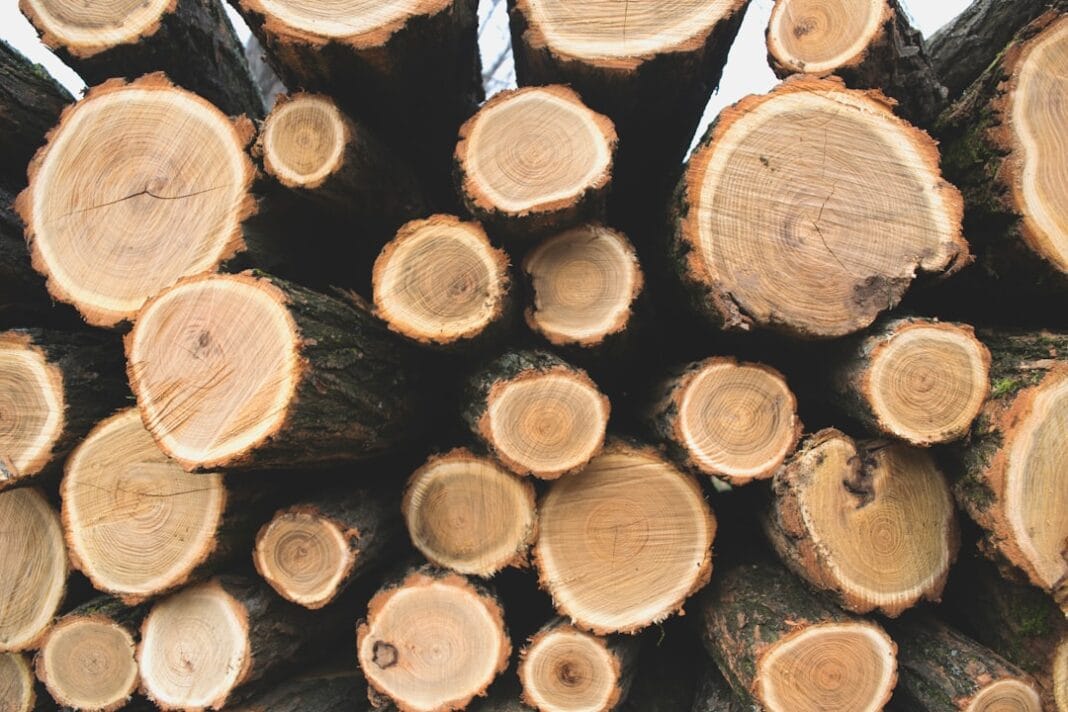

In today’s world, where environmental concerns are at the forefront of global discussions, sustainable timber sourcing certification programs have emerged as a vital component in the architecture, engineering, and construction (AEC) industries. These programs not only ensure that timber is sourced responsibly but also play a crucial role in mitigating the adverse effects of deforestation and promoting biodiversity. As professionals in the AEC sector, we must recognize the significance of these certifications in our projects and supply chains.
By prioritizing sustainable timber sourcing, we contribute to a healthier planet while also enhancing our reputation and credibility in the industry. Moreover, sustainable timber sourcing certification programs provide a framework for accountability and transparency. They help us, as architects, engineers, and construction managers, to make informed decisions about the materials we use.
By adhering to these standards, we can ensure that our projects align with environmental regulations and meet the growing demand for sustainable practices. This not only benefits the environment but also positions our businesses as leaders in sustainability, attracting clients who prioritize eco-friendly solutions. Please visit Autodesk for more information about their products and services.
Understanding Responsibly Managed Forests and Wood Products
To fully appreciate the importance of sustainable timber sourcing certification programs, we must first understand what constitutes responsibly managed forests and wood products. Responsibly managed forests are those that are harvested in a way that maintains their ecological balance, ensuring that they can continue to provide resources for future generations. This involves practices such as selective logging, replanting trees, and protecting wildlife habitats.
By sourcing wood from these forests, we can ensure that our projects do not contribute to deforestation or habitat destruction. Wood products derived from responsibly managed forests are not only environmentally friendly but also often of higher quality. These products tend to be more durable and sustainable over time, making them a wise investment for our projects.
As we incorporate responsibly sourced wood into our designs, we can enhance the aesthetic appeal of our buildings while also promoting sustainability. This dual benefit is essential for us as we strive to meet both client expectations and environmental standards.
The Role of Certification Programs in Promoting Sustainable Timber Sourcing

Certification programs play a pivotal role in promoting sustainable timber sourcing by providing a standardized approach to assessing and verifying responsible forestry practices. These programs establish criteria that forests must meet to be certified as sustainably managed, ensuring that timber sourced from these areas is harvested in an environmentally responsible manner. For us in the AEC industry, these certifications serve as a reliable indicator of sustainability, allowing us to make informed choices about the materials we use in our projects.
Furthermore, certification programs help to create a market for sustainably sourced timber products. By raising awareness about the importance of responsible sourcing, these programs encourage consumers and businesses alike to prioritize certified wood products. This shift in demand not only supports responsible forestry practices but also incentivizes more forest owners to adopt sustainable management techniques.
As we advocate for certified wood products in our projects, we contribute to a larger movement that promotes environmental stewardship within the AEC sector.
Key Players in the Sustainable Timber Sourcing Certification Industry
The sustainable timber sourcing certification industry is supported by various key players who work collaboratively to promote responsible forestry practices. Among these players are non-governmental organizations (NGOs), governmental bodies, and industry associations that develop and implement certification standards. Organizations such as the Forest Stewardship Council (FSC) and the Programme for the Endorsement of Forest Certification (PEFC) are at the forefront of this movement, providing rigorous standards for sustainable forest management.
In addition to these organizations, businesses within the AEC sector also play a crucial role in advancing sustainable timber sourcing certification programs. By actively seeking out certified wood products and advocating for responsible sourcing practices, we can influence supply chains and encourage manufacturers to prioritize sustainability. Our collective efforts can drive change within the industry, leading to a more sustainable future for timber sourcing.
Criteria and Standards for Certifying Responsibly Managed Forests
The criteria and standards for certifying responsibly managed forests are designed to ensure that forestry practices are environmentally sound, socially beneficial, and economically viable. These standards typically encompass a range of factors, including biodiversity conservation, soil and water protection, and community engagement. For us in the AEC industry, understanding these criteria is essential for making informed decisions about the timber we use in our projects.
One of the key aspects of these certification standards is their emphasis on continuous improvement. Certified forests are required to undergo regular assessments to ensure compliance with evolving sustainability practices. This dynamic approach not only helps maintain high standards but also encourages forest managers to adopt innovative techniques that enhance sustainability over time.
By supporting certified forests that adhere to these rigorous standards, we can ensure that our projects contribute positively to environmental conservation.
The Process of Certification for Wood Products

The process of certification for wood products involves several steps designed to verify that the timber has been sourced from responsibly managed forests. Initially, manufacturers must demonstrate compliance with established certification standards by providing documentation related to their sourcing practices. This may include information about the origin of the wood, harvesting methods used, and any relevant environmental assessments.
Once this documentation is submitted, independent auditors conduct thorough assessments to verify compliance with certification criteria. This process often includes site visits to ensure that forestry practices align with sustainability standards. Upon successful completion of this assessment, manufacturers receive certification for their wood products, allowing them to market their offerings as sustainably sourced.
For us in the AEC sector, understanding this process is crucial as it enables us to confidently specify certified wood products in our designs.
Benefits of Supporting Certified Responsibly Managed Forests and Wood Products
Supporting certified responsibly managed forests and wood products offers numerous benefits for both our projects and the environment. Firstly, using certified wood products enhances our credibility as professionals committed to sustainability. Clients increasingly seek out environmentally responsible solutions, and by incorporating certified materials into our designs, we can meet their expectations while also contributing to global conservation efforts.
Additionally, certified wood products often come with a range of performance benefits. These materials are typically more durable and resistant to pests and decay compared to non-certified alternatives. This longevity translates into lower maintenance costs over time, making certified wood an economically sound choice for our projects.
By prioritizing certified materials, we not only support responsible forestry practices but also enhance the overall quality and value of our work.
Challenges and Limitations of Sustainable Timber Sourcing Certification Programs
Despite the numerous advantages of sustainable timber sourcing certification programs, challenges and limitations persist within this industry. One significant challenge is the complexity of certification processes, which can be time-consuming and costly for manufacturers seeking compliance. Smaller businesses may struggle to navigate these requirements, leading to disparities in access to certified materials within the AEC sector.
Moreover, there is often confusion among consumers regarding different certification labels and their meanings. With multiple organizations offering certifications, it can be challenging for us as professionals to discern which certifications truly reflect responsible sourcing practices.
Consumer Awareness and Demand for Certified Wood Products
Consumer awareness plays a critical role in driving demand for certified wood products within the AEC industry. As more individuals become educated about the environmental impacts of deforestation and unsustainable forestry practices, they increasingly seek out sustainable alternatives for their construction projects. This shift in consumer behavior presents an opportunity for us as professionals to advocate for certified wood products and educate clients about their benefits.
To effectively raise awareness about certified wood products, we must engage in proactive communication strategies that highlight the importance of responsible sourcing. This may involve sharing success stories from projects that utilized certified materials or providing educational resources about the benefits of sustainable timber sourcing. By fostering a culture of sustainability within our client base, we can help drive demand for certified wood products and contribute to a more environmentally conscious AEC industry.
The Future of Sustainable Timber Sourcing Certification Programs
Looking ahead, the future of sustainable timber sourcing certification programs appears promising yet challenging. As global awareness of environmental issues continues to grow, we can expect an increased emphasis on sustainability within the AEC sector. This trend will likely lead to greater demand for certified wood products as clients prioritize eco-friendly solutions in their projects.
However, it is essential that certification programs evolve alongside these changing demands. Continuous improvement in standards and processes will be necessary to address emerging challenges such as climate change and biodiversity loss. By actively participating in discussions surrounding certification practices and advocating for innovation within this space, we can help shape a future where sustainable timber sourcing becomes the norm rather than the exception.
How Individuals and Businesses Can Support Responsible Timber Sourcing through Certification Programs
As individuals and businesses within the AEC industry, there are several actionable steps we can take to support responsible timber sourcing through certification programs. Firstly, we can prioritize specifying certified wood products in our designs and project proposals. By making conscious choices about the materials we use, we send a clear message about our commitment to sustainability.
Additionally, we can engage with suppliers who prioritize responsible sourcing practices and actively seek out partnerships with manufacturers that hold relevant certifications. By fostering relationships with these suppliers, we can create a more robust supply chain that supports sustainable forestry initiatives. Finally, educating ourselves and our clients about the importance of sustainable timber sourcing is crucial for driving change within the industry.
By sharing knowledge about certification programs and their benefits, we can inspire others to prioritize responsible sourcing practices in their projects as well. In conclusion, sustainable timber sourcing certification programs are essential for promoting responsible forestry practices within the AEC industry. By understanding their importance and actively supporting certified wood products, we can contribute to a more sustainable future while enhancing our credibility as professionals committed to environmental stewardship.
FAQs
What is sustainable timber sourcing certification?
Sustainable timber sourcing certification is a process by which forest management and wood product companies are evaluated and certified for their responsible and sustainable practices in managing forests and producing wood products.
What are the benefits of sustainable timber sourcing certification programs?
Sustainable timber sourcing certification programs help to ensure that forests are managed in an environmentally responsible manner, promote the conservation of biodiversity, and support the rights and well-being of local communities. They also provide assurance to consumers that the wood products they purchase come from responsibly managed forests.
How do sustainable timber sourcing certification programs work?
Sustainable timber sourcing certification programs typically involve an independent assessment of forest management practices, including criteria related to environmental impact, social responsibility, and economic viability. Companies that meet the certification standards are awarded a certification label that can be used on their wood products.
What are some well-known sustainable timber sourcing certification programs?
Some well-known sustainable timber sourcing certification programs include the Forest Stewardship Council (FSC), the Programme for the Endorsement of Forest Certification (PEFC), and the Sustainable Forestry Initiative (SFI). These programs have established criteria and standards for responsible forest management and wood product production.
How can consumers identify wood products from responsibly managed forests?
Consumers can look for certification labels from sustainable timber sourcing certification programs, such as the FSC, PEFC, or SFI, on wood products. These labels indicate that the wood products come from responsibly managed forests and have been produced in accordance with sustainable practices.




