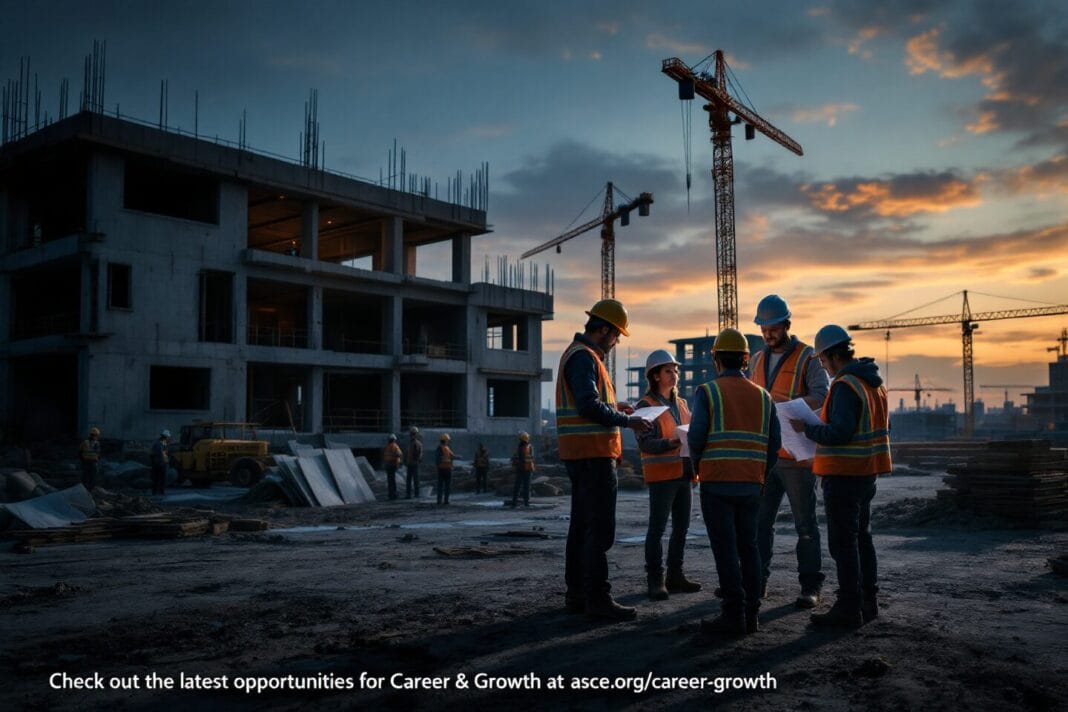
Timber frame construction has long been a cornerstone of building practices, offering a unique blend of aesthetic appeal and structural integrity. As we delve into this age-old technique, we recognize its resurgence in modern architecture, driven by a growing appreciation for sustainable building practices and the natural beauty of wood. Timber frame construction not only provides a robust framework for various types of buildings but also allows for creative design possibilities that can enhance both functionality and visual appeal.
In recent years, the construction industry has seen a renewed interest in timber frame methods, particularly as we strive to reduce our carbon footprint and embrace eco-friendly materials. This article aims to explore the intricacies of timber frame construction, from traditional techniques to modern innovations, while highlighting its benefits, sustainability aspects, and design considerations. By understanding the full scope of timber frame construction, we can better appreciate its role in shaping the future of architecture and construction. Please visit Autodesk for more information.
Traditional Timber Frame Construction Techniques
Traditional timber frame construction techniques have stood the test of time, showcasing craftsmanship that dates back centuries. These methods often involve the use of large wooden beams and posts, which are carefully joined together using various joinery techniques. The result is a sturdy framework that can support heavy loads while allowing for open interior spaces.
One of the most notable aspects of traditional timber framing is the use of mortise and tenon joints, which provide exceptional strength and durability. In addition to mortise and tenon joints, traditional timber framing often incorporates wooden pegs or dowels to secure connections. This method not only enhances structural integrity but also adds an element of craftsmanship that is highly valued in the construction industry.
The aesthetic appeal of exposed timber beams has made this style popular in residential homes, commercial buildings, and even public structures. As we explore these traditional techniques, we can appreciate how they have influenced modern practices while maintaining their relevance in today’s architectural landscape.
Modern Timber Frame Construction Techniques

As we transition into the 21st century, modern timber frame construction techniques have evolved significantly, integrating advanced technology and innovative materials.
This technology not only streamlines the design process but also minimizes errors and reduces waste during construction.
Another modern technique gaining traction is the use of engineered wood products, such as laminated veneer lumber (LVL) and cross-laminated timber (CLT). These materials offer enhanced strength and stability compared to traditional solid wood, making them ideal for larger structures. By utilizing these engineered products, we can achieve greater design flexibility while adhering to stringent building codes and safety standards.
The combination of traditional craftsmanship with modern technology positions timber frame construction as a forward-thinking choice for contemporary building projects.
Benefits of Timber Frame Construction
The benefits of timber frame construction are numerous and compelling. First and foremost, timber is a renewable resource, making it an environmentally friendly choice for building materials. When sourced sustainably, timber can significantly reduce the carbon footprint of a project compared to conventional materials like steel or concrete.
Additionally, timber has excellent thermal properties, which can contribute to energy efficiency in buildings. Another advantage is the speed of construction associated with timber frame methods. Prefabrication techniques allow components to be manufactured off-site and assembled quickly on-site, reducing labor costs and minimizing disruption.
This efficiency can lead to shorter project timelines, which is particularly beneficial for clients looking to complete their projects promptly. Furthermore, the aesthetic versatility of timber allows for a wide range of design options, appealing to both residential and commercial clients seeking unique architectural solutions.
Choosing the Right Wood for Timber Frame Construction
Selecting the right wood for timber frame construction is crucial to ensuring the longevity and performance of a structure. Different species of wood offer varying levels of strength, durability, and resistance to environmental factors such as moisture and pests. For instance, hardwoods like oak and maple are known for their strength and durability, making them ideal for load-bearing applications.
When choosing wood, it’s also essential to consider factors such as sustainability and sourcing practices. We should prioritize wood that has been certified by organizations like the Forest Stewardship Council (FSC), which ensures responsible forest management practices.
By making informed choices about the types of wood we use in timber frame construction, we can contribute to sustainable building practices while ensuring that our structures stand the test of time.
Joinery Methods in Timber Frame Construction

Joinery methods play a pivotal role in the strength and aesthetics of timber frame construction. Traditional joinery techniques such as mortise and tenon joints are still widely used today due to their reliability and visual appeal. These joints create a strong connection between beams and posts without the need for metal fasteners, allowing for a more natural look that highlights the beauty of the wood.
In addition to traditional methods, modern joinery techniques have emerged that utilize advanced tools and materials. For example, metal connectors can be used in conjunction with wood joints to enhance structural integrity while providing design flexibility. The choice of joinery method often depends on factors such as the specific application, desired aesthetic, and budget constraints.
By understanding the various joinery options available, we can make informed decisions that align with our project goals.
Sustainability and Environmental Impact of Timber Frame Construction
Sustainability is at the forefront of discussions surrounding timber frame construction. As we face increasing environmental challenges, it’s essential to consider how our building practices impact the planet. Timber is one of the most sustainable building materials available when sourced responsibly.
It sequesters carbon dioxide throughout its life cycle, helping to mitigate climate change. Moreover, timber frame construction often results in less waste compared to other building methods. The ability to prefabricate components off-site allows for precise cuts and minimal leftover material.
Additionally, many timber frame structures are designed with energy efficiency in mind, incorporating insulation that reduces energy consumption over time. By embracing sustainable practices in our projects, we not only contribute to environmental preservation but also appeal to clients who prioritize eco-friendly solutions.
Design Considerations for Timber Frame Construction
When embarking on a timber frame construction project, several design considerations must be taken into account to ensure success. First and foremost is understanding the structural requirements of the building. Timber frame structures rely on a well-planned framework that distributes loads effectively while allowing for open spaces within the interior.
Another critical aspect is aesthetics; the design should reflect the intended use of the space while harmonizing with its surroundings. We can achieve this by selecting appropriate wood species, finishes, and joinery methods that enhance the overall look of the structure. Additionally, incorporating natural light through large windows or skylights can create inviting spaces that connect occupants with nature.
By carefully considering these design elements, we can create functional and visually appealing timber frame buildings.
Incorporating Insulation and Energy Efficiency in Timber Frame Construction
Incorporating insulation into timber frame construction is essential for achieving energy efficiency and comfort within a building. The natural thermal properties of wood provide a solid foundation for insulation strategies; however, additional insulation materials are often necessary to meet modern energy codes. We can utilize various insulation options such as fiberglass batts, spray foam, or cellulose to enhance thermal performance.
Moreover, energy-efficient design principles should be integrated into every phase of the project. This includes optimizing orientation for passive solar gain, selecting high-performance windows, and ensuring airtightness throughout the structure. By prioritizing energy efficiency in our designs, we not only reduce operational costs for clients but also contribute to a more sustainable future.
Comparing Timber Frame Construction to Other Building Methods
When evaluating building methods, it’s essential to compare timber frame construction with alternatives such as steel or concrete framing. Each method has its advantages and disadvantages; however, timber frame construction stands out due to its sustainability and aesthetic appeal. Unlike steel or concrete, which have high embodied energy costs associated with their production, timber is renewable and can be sourced locally.
Additionally, timber frame structures often provide better thermal performance than their steel or concrete counterparts due to wood’s natural insulating properties. While steel may offer superior strength for certain applications, it lacks the warmth and character that timber brings to a space. By understanding these differences, we can make informed decisions about which building method best aligns with our project goals.
Maintenance and Longevity of Timber Frame Construction
The longevity of timber frame construction largely depends on proper maintenance practices throughout its lifespan. While timber is durable when treated correctly, it is susceptible to issues such as rot or insect damage if not adequately protected from moisture or pests. Regular inspections should be conducted to identify any potential problems early on.
Additionally, applying protective finishes or treatments can enhance the durability of timber frames against environmental factors. By investing in maintenance strategies that prioritize preservation over time, we can ensure that our timber frame structures remain functional and beautiful for generations to come. In conclusion, timber frame construction offers a wealth of benefits that make it an attractive option for various building projects.
By understanding traditional techniques alongside modern innovations, we can harness the full potential of this versatile method while prioritizing sustainability and design excellence. As we continue to explore new possibilities within this field at AECup.com, we invite you to join us on this journey toward creating beautiful and enduring structures that stand as testaments to our commitment to quality craftsmanship and environmental stewardship.
FAQs
What is timber frame construction?
Timber frame construction is a building method that uses large, solid wood timbers to create the structure of a building. This technique has been used for centuries and is known for its durability and strength.
What are the traditional techniques used in timber frame construction?
Traditional timber frame construction techniques involve using handcrafted joinery, such as mortise and tenon joints, to connect the timber pieces together. This method requires skilled craftsmen and is often associated with historic and heritage buildings.
What are the modern approaches to timber frame construction?
Modern timber frame construction techniques often involve the use of prefabricated timber components, such as trusses and panels, which are manufactured off-site and then assembled on the construction site. This approach can speed up the construction process and reduce labor costs.
What are the advantages of timber frame construction?
Timber frame construction offers several advantages, including environmental sustainability, energy efficiency, design flexibility, and a natural aesthetic. It is also a durable and long-lasting building method.
What are the challenges of timber frame construction?
Challenges of timber frame construction can include potential for moisture-related issues, the need for skilled craftsmanship, and the potential for higher upfront costs compared to other building methods. However, these challenges can be mitigated with proper design, construction techniques, and maintenance.