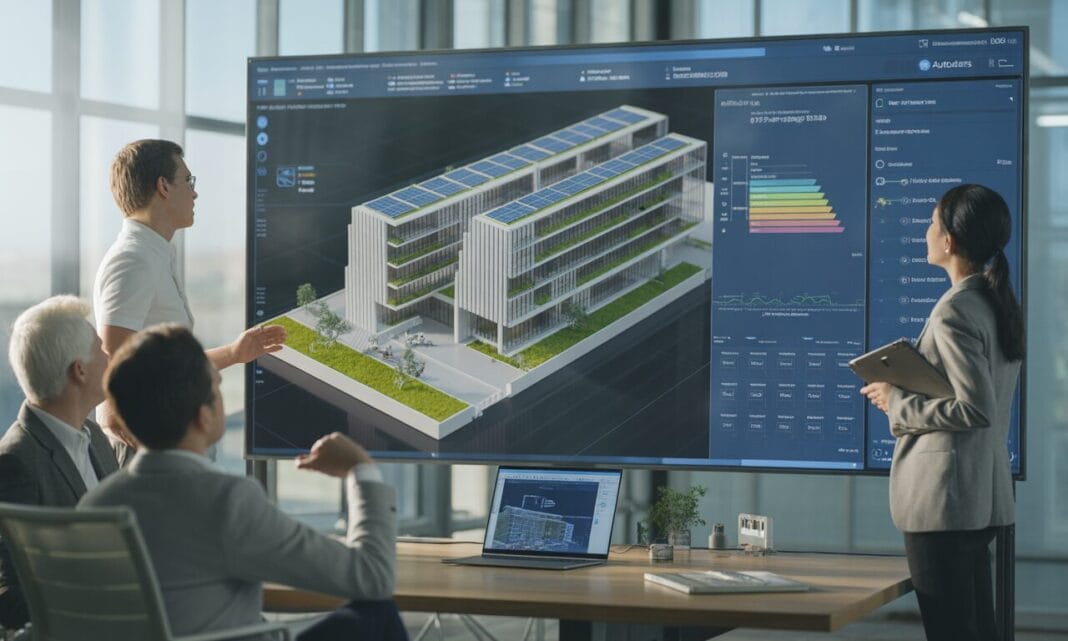
Modular construction is a method that involves prefabricating building sections, or modules, in a controlled factory environment before transporting them to the construction site for assembly. This innovative approach allows for the simultaneous execution of site preparation and module fabrication, significantly reducing the overall construction timeline. By utilizing standardized designs and components, modular construction not only streamlines the building process but also enhances quality control, as each module is built under consistent conditions.
In essence, modular construction represents a shift from traditional building practices, where each project is often unique and subject to various delays and inefficiencies. Instead, we embrace a more systematic approach that leverages technology and manufacturing principles. This method is particularly appealing in today’s fast-paced world, where the demand for rapid delivery of projects is ever-increasing.
As we explore the various facets of modular construction, it becomes clear that this approach holds significant promise for the future of the Architecture, Engineering, and Construction (AEC) industry. For innovative design solutions, visit Autodesk.
The Environmental Impact of Traditional Construction Methods
Traditional construction methods have long been associated with significant environmental challenges. From excessive waste generation to high energy consumption during the building process, the impact on our planet is profound. For instance, conventional construction often leads to the disposal of large amounts of materials, such as concrete and wood, which could otherwise be reused or recycled.
Additionally, the carbon footprint associated with transporting materials to and from job sites contributes to greenhouse gas emissions, exacerbating climate change. Moreover, traditional construction practices frequently involve lengthy timelines that can lead to prolonged site disturbances. These disturbances can disrupt local ecosystems and contribute to soil erosion and habitat loss.
As we become increasingly aware of our environmental responsibilities, it is crucial to examine how we can mitigate these impacts through more sustainable building practices. This is where modular construction comes into play, offering a viable alternative that addresses many of the shortcomings of traditional methods.
The Benefits of Modular Construction in Reducing Waste

One of the most compelling advantages of modular construction is its ability to significantly reduce waste. By fabricating modules in a controlled environment, we can optimize material usage and minimize off-cuts and excess materials. This precision not only conserves resources but also reduces the amount of waste sent to landfills.
In fact, studies have shown that modular construction can reduce waste by up to 90% compared to traditional building methods. Additionally, the factory setting allows for better inventory management and recycling practices. Unused materials can be stored and repurposed for future projects, further decreasing waste generation.
As we strive for a more sustainable future, embracing modular construction can play a pivotal role in achieving our environmental goals. By reducing waste and promoting efficient resource use, we can contribute to a healthier planet while still meeting the demands of modern construction.
How Modular Construction Increases Efficiency in Sustainable Projects
Efficiency is a cornerstone of sustainable development, and modular construction excels in this area. The ability to construct modules off-site while simultaneously preparing the site leads to a significant reduction in overall project timelines. This not only accelerates project delivery but also minimizes disruptions to the surrounding environment and community.
As we know, time is money in the AEC industry; therefore, faster project completion translates into cost savings for clients and stakeholders. Moreover, modular construction allows for greater flexibility in design and execution. With pre-engineered components, we can easily adapt designs to meet specific project requirements without compromising quality or sustainability.
This adaptability is particularly beneficial in sustainable projects where unique environmental considerations must be addressed. By leveraging modular construction techniques, we can enhance efficiency while ensuring that our projects align with sustainable development goals.
Case Studies of Successful Modular Construction Projects
To illustrate the effectiveness of modular construction, let’s examine some successful case studies that highlight its potential in sustainable development. One notable example is the “B2” building in Brooklyn, New York, which is one of the tallest modular buildings in the world. Completed in just 15 months, B2 utilized prefabricated modules that were constructed off-site and assembled on location.
This project not only showcased the speed of modular construction but also emphasized its commitment to sustainability through energy-efficient design and materials. Another inspiring case study is the “Mighty Buildings” initiative in California, which focuses on 3D-printed modular homes. By utilizing advanced technology and sustainable materials, Mighty Buildings has created affordable housing solutions that are both eco-friendly and efficient.
These homes are designed to minimize energy consumption while maximizing livability, demonstrating how modular construction can address pressing housing challenges while promoting sustainability.
The Role of Technology in Advancing Modular Construction

Technology plays a crucial role in advancing modular construction practices. From Building Information Modeling (BIM) to advanced manufacturing techniques, technology enhances every aspect of the modular process. BIM allows us to create detailed digital models that facilitate collaboration among architects, engineers, and contractors, ensuring that everyone is on the same page throughout the project lifecycle.
Additionally, automation in manufacturing processes has improved precision and efficiency in module production. Robotics and computer-aided design (CAD) systems enable us to produce high-quality components with minimal waste. As we continue to embrace technological advancements, we can expect further innovations that will streamline modular construction processes and enhance sustainability efforts across the AEC industry.
The Future of Modular Construction in Sustainable Development
Looking ahead, the future of modular construction appears promising as we increasingly prioritize sustainability in our building practices. With growing awareness of climate change and resource depletion, there is a strong push for more efficient and eco-friendly construction methods. Modular construction aligns perfectly with these goals by offering a solution that reduces waste, conserves resources, and accelerates project timelines.
As we move forward, we anticipate greater collaboration between industry stakeholders to promote modular construction as a standard practice rather than an exception. By fostering partnerships among architects, engineers, contractors, and policymakers, we can create an ecosystem that supports sustainable development through innovative building methods. The potential for modular construction to revolutionize the AEC industry is immense, and we must seize this opportunity to drive positive change.
Overcoming Challenges in Implementing Modular Construction
Despite its many benefits, implementing modular construction does come with challenges that must be addressed for widespread adoption. One significant hurdle is the perception that modular buildings lack aesthetic appeal or uniqueness compared to traditional structures. To overcome this challenge, we must showcase successful projects that highlight the versatility and design potential of modular construction.
Another challenge lies in regulatory frameworks that may not fully accommodate modular building practices. As we advocate for change within these frameworks, it is essential to engage with policymakers and industry leaders to develop standards that support modular construction while ensuring safety and compliance. By addressing these challenges head-on, we can pave the way for a more sustainable future through modular building techniques.
The Economic Advantages of Modular Construction
The economic advantages of modular construction are compelling and cannot be overlooked.
Faster project completion means quicker returns on investment for clients and stakeholders alike.
Moreover, modular construction often leads to lower labor costs due to streamlined processes and reduced on-site work requirements. This efficiency not only benefits project budgets but also allows us to allocate resources more effectively across multiple projects. As we continue to explore innovative building methods like modular construction, it becomes clear that economic viability goes hand-in-hand with sustainability.
The Role of Regulations and Standards in Promoting Modular Construction
Regulations and standards play a critical role in promoting modular construction as a viable option for sustainable development. As we navigate this evolving landscape, it is essential to establish clear guidelines that support the unique aspects of modular building practices while ensuring safety and compliance with local codes. Engaging with regulatory bodies early in the design process can help us identify potential barriers and work collaboratively towards solutions that facilitate modular construction adoption.
By advocating for updated regulations that recognize the benefits of this approach, we can create an environment conducive to innovation and sustainability within the AEC industry.
The Importance of Collaboration in Implementing Modular Construction in Sustainable Projects
Collaboration is key when it comes to successfully implementing modular construction in sustainable projects. By fostering partnerships among architects, engineers, contractors, and clients, we can create a cohesive approach that maximizes efficiency and effectiveness throughout the project lifecycle. Effective communication among all stakeholders ensures that everyone is aligned on project goals and objectives while allowing for flexibility in design and execution.
As we embrace collaborative practices within the AEC industry, we can unlock new opportunities for innovation and sustainability through modular construction techniques. In conclusion, as we explore the multifaceted benefits of modular construction within sustainable development frameworks, it becomes evident that this approach holds immense potential for transforming our industry. By addressing environmental impacts, enhancing efficiency, leveraging technology, overcoming challenges, and fostering collaboration among stakeholders, we can pave the way for a more sustainable future in architecture, engineering, and construction.
At AECup.com, we are committed to providing valuable insights and resources to help professionals navigate this evolving landscape as we collectively strive towards a greener tomorrow.
FAQs
What is modular construction?
Modular construction is a building method where structures are prefabricated in sections, or modules, in a factory setting before being transported and assembled on-site. This approach allows for greater control over quality and efficiency.
How does modular construction reduce waste?
Modular construction reduces waste by using precise manufacturing processes in controlled factory environments, which minimizes material offcuts and errors. Additionally, leftover materials can often be recycled or reused more effectively than in traditional construction.
In what ways does modular construction improve efficiency?
Modular construction improves efficiency by enabling simultaneous site preparation and module fabrication, reducing overall project timelines. Factory production also allows for better resource management, consistent quality, and fewer weather-related delays.
Is modular construction suitable for sustainable projects?
Yes, modular construction is well-suited for sustainable projects because it promotes resource efficiency, reduces construction waste, lowers energy consumption during building, and often incorporates sustainable materials and energy-efficient designs.
Can modular buildings be customized?
Yes, modular buildings can be customized to meet specific design requirements. Modules can be configured in various layouts and finishes, allowing flexibility while maintaining the benefits of prefabrication.
What types of projects benefit most from modular construction?
Projects that benefit most include residential housing, schools, healthcare facilities, and commercial buildings where speed, cost control, and sustainability are priorities.
Does modular construction affect building quality?
Modular construction often enhances building quality due to factory-controlled conditions, standardized processes, and rigorous inspections, resulting in consistent and durable structures.
How does modular construction contribute to sustainability goals?
By reducing material waste, lowering energy use during construction, enabling faster project completion, and facilitating the use of eco-friendly materials, modular construction supports sustainability goals and reduces the environmental footprint of building projects.